Help support our writers and journalists.

Studies

No rest for new elephant mothers

No rest for new elephant mothers

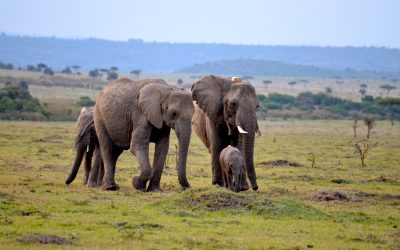
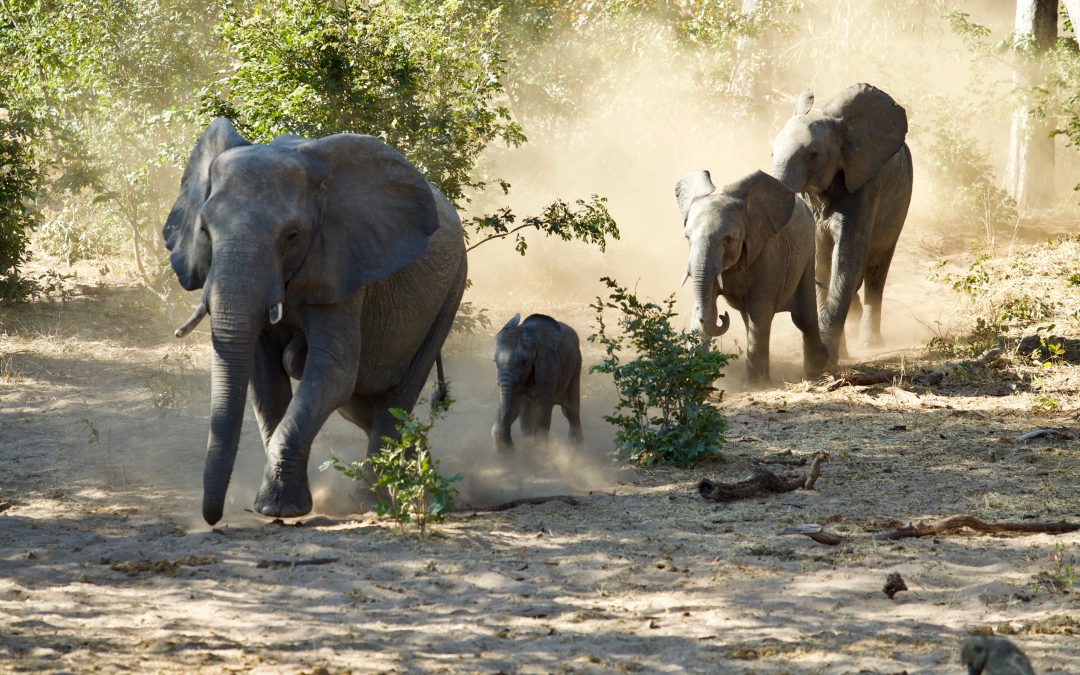
By Phys.org Elephant herds do not slow down for mothers who've just given birth, according to new research from an international team led by researchers from the University of Oxford, in collaboration with Save the Elephants. Elephants need to keep moving in order to find the amount of food and water they need to survive, but how do families manage with new babies? The secret lies with the 22-month gestation period, that sees mature baby elephants emerge from the womb able to keep up with the family from the day they're born. The findings, published today in Animal Behaviour, show the...
read more
The role of large wild animals in climate change mitigation and adaptation

The role of large wild animals in climate change mitigation and adaptation

By Yadvinder Malhi, Tonya Lander, Elizabeth le Roux, Nicola Stevens, Marc Macias-Fauria, Lisa Wedding, Cécile Girardin, Jeppe Ågård Kristensen, Christopher J. Sandom, Tom D. Evans, Jens-Christian Svenning & Susan Canney - Current Biology Abstract Two major environmental challenges of our time are responding to climate change and reversing biodiversity decline. Interventions that simultaneously tackle both challenges are highly desirable. To date, most studies aiming to find synergistic interventions for these two challenges have focused on protecting or restoring vegetation and soils but...

read more
Nationwide abundance and distribution of African forest elephants across Gabon using non-invasive SNP genotyping

Nationwide abundance and distribution of African forest elephants across Gabon using non-invasive SNP genotyping

By A. Laguardia, S. Bourgeois, S. Strindberg, K.S. Gobush, G. Abitsi, H.G. Bikang Bi Ateme, F.  Ebouta, J.M. Fay, A.M. Gopalaswamy, F. Maisels, E.L.F. Simira Banga Daouda, L.J.T. White & E. J. Stokes - Science Direct Abstract Robust monitoring programs are essential for understanding changes in wildlife population dynamics and distribution over time, especially for species of conservation concern. In this study, we applied a rapid non-invasive sampling approach to the Critically Endangered African forest elephant (Loxodonta cyclotis), at nationwide scale in its principal remaining...

read more
In prioritizing conservation, animal culture should be a factor, study says

In prioritizing conservation, animal culture should be a factor, study says

By John C. Cannon - MongaBay Research has shown that culture exists in myriad animal species, allowing information to be shared between generations, leading to occurrences of tool use and potentially affecting animals’ adaptability to changes to their environment.In a new paper, scientists propose a stepwise process to account for and protect animal culture in conservation efforts.They advocate an approach to conservation that integrates culture with conventional considerations such as genetic diversity, rather than using it as a “stand-alone” tool. The earliest reports of nutcracking...

read more

Recent Posts

archives

Archives

Pin It on Pinterest